
"nervous system"
400 article(s) found
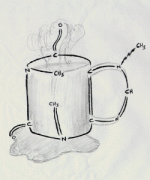
Fine coffee common sense the soul of caffeine coffee
The chemical structure of caffeine caffeine can be said to be the soul of coffee and the most controversial issue. Caffeine is an alkaloid in coffee beans, which can stimulate the central nervous system, stimulate the secretion of epinephrine and enhance heart function in the right dose. Although caffeine has no odor, it has a remarkable bitter taste. Although some people want to take advantage of the bitter taste of coffee

Correctly understand the caffeine in coffee-make your coffee healthy
The effect of caffeine on the divine system caffeine is a stimulant of the nervous system. Moderate energy consumption: the cause of good recovery reduction is that sleep is unable to cause pain, and caffeine can be fatal when used in large amounts of pain and dizziness. The lethal dose is estimated to be more than 10 grams (about 170 milligrams per kilogram): this is equivalent to drinking 80 to 100 cups of coffee quickly and continuously.

With the advent of caffeine microcapsules, people have more choices for refreshing foods.
Professional baristas please pay attention to the coffee workshop (Wechat official account cafe_style) caffeine is a central nervous system stimulant that can refresh people and athletes perform better, while the caffeine absorption and effect of ordinary tea or coffee will soon reach its peak. Microencapsulation technology allows caffeine to be released slowly, increases the time of caffeine action, and is suitable for different types of

Basic knowledge of coffee health it is not advisable to drink coffee immediately after drinking
After drinking, alcohol is quickly absorbed by the digestive system and then enters the blood circulatory system, affecting the gastrointestinal, heart, liver and kidney, brain and endocrine systems, and leading to disorders of glucose metabolism, protein metabolism and fat metabolism in the body. among them, the most direct and serious victim is the brain. Caffeine, the main ingredient of coffee, can stimulate the central nervous system and muscles, and accelerate aging.

Can I have coffee with a cough? Can I have coffee when I'm sick? Would you like some coffee with a cough?
Cough is quite common in daily life, it is usually accompanied by a cold, so when we encounter a cough in life, we generally can't drink or smoke. It is best not to drink coffee in life, because coffee contains some caffeine, which is more harmful to the central nervous system of the human body. Patients with cough drink.

What are the benefits of coffee? are instant coffee the same as black coffee?
Professional coffee knowledge exchange more coffee bean information Please follow the coffee workshop (Wechat official account cafe_style). The caffeine, which is generally called black coffee, is actually called individual coffee. Do you know the benefits of coffee? Basically, freshly ground coffee is roasted accurately, freshly ground and extracted by baristas.

Can the "milk" mother drink coffee?
First, a small amount of coffee does not prevent caffeine from appearing in breast milk quickly after maternal intake, and the amount is usually the highest at 60 minutes after ingestion. When the mother consumed a large amount of caffeine (the equivalent of 10 cups of coffee), there were reports of irritability, nervousness and poor sleep. But other studies have shown that mothers with five cups of coffee a day have no stimulating effect on babies who are 3 weeks old and older. But premature babies and

Basic knowledge of boutique coffee what is caffeine
Caffeine is a xanthine alkaloid compound, a central nervous system stimulant that temporarily repels drowsiness and restores energy. Caffeinated coffee, tea, soft drinks and energy drinks sell very well, so caffeine is also the most commonly used psychotropic drug in the world. In North America, 90% of adults use caffeine every day. A lot of caffeine.
Coffee common sense question and answer what is caffeine
Caffeine is a xanthine alkaloid compound, a central nervous system stimulant that temporarily repels drowsiness and restores energy. Caffeinated coffee, tea, soft drinks and energy drinks sell very well, so caffeine is also the most commonly used psychotropic drug in the world. In North America, 90% of adults use caffeine every day. A lot of caffeine.
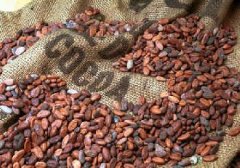
What is caffeine? Use and definition of caffeine
Caffeine is a xanthine alkaloid compound, a central nervous system stimulant that temporarily repels drowsiness and restores energy. Caffeinated coffee, tea, soft drinks and energy drinks sell very well, so caffeine is also the most commonly used psychotropic drug in the world. In North America, 90% of adults use caffeine every day. A lot of caffeine.

Taboo analysis of drinking coffee: is there any harm to having a cup of coffee a day? Does coffee cause cancer?
Professional coffee knowledge exchange more coffee bean information Please follow the coffee workshop (Wechat official account cafe_style) Coffee has been flowing into China for more than 100 years. Nowadays, many office workers, especially white-collar workers, have taken coffee as a necessary drink every day. So, is drinking coffee harmful to your health after all? The main ingredient of coffee is caffeine. Caffeine

Effects and side effects of caffeine
Following Cafe (official Wechat account vdailycom) found that caffeine opened a small shop of its own. Caffeine is an odorless, bitter crystal that is soluble in water and alcohol. It can directly affect the central nervous system and cardiovascular system, because there are great differences between people, so the response is also different; now many functional drinks add caffeine.
Related Pharmacokinetics of Coffee
The phenomenon of death with caffeine is rare. The lethal dose of caffeine for adults is about 5-10g, and adverse reactions can occur when taking 1g, such as central nervous system and circulatory system symptoms. Early symptoms such as insomnia, restlessness and agitation develop into mild coma, vomiting, spasms, muscle tension and tremor, tachycardia and extrasystole (extrasysto1e). In addition,

The ingredients in coffee
1. Caffeine has a particularly bitter taste, stimulating the central nervous system, heart and respiratory system. Moderate caffeine can also reduce muscle fatigue and promote digestive secretion. Because it promotes kidney function, it has a diuretic effect and helps the body expel excess sodium ions from the body. Too much caffeine can lead to caffeine poisoning. 2. Tannin When boiled, tannins decompose into pyrolytic acid.
Caffeine tannic acid and fat in coffee
The composition of caffeine and its effect on the body are introduced. It has a particularly strong bitter taste and stimulates the central nervous system, heart and respiratory system. Appropriate amount of caffeine can also reduce muscle fatigue and promote digestive juice secretion. Because it promotes kidney function, it is diuretic and helps the body to expel excess sodium ions from the body. But eating too much can lead to caffeine poisoning. After the tannic acid is boiled
Main components of coffee
Caffeine: has a particularly strong bitter taste and stimulates the central nervous system, heart and respiratory system. Moderate caffeine can also reduce muscle fatigue and promote digestive secretion. Because it promotes kidney function, it has a diuretic effect and helps the body expel excess sodium ions from the body. Too much caffeine can lead to caffeine poisoning. Tannin: Boiled tannin decomposes into pyrolytic acid,
About the main ingredients of coffee
Caffeine, the main ingredient of coffee: has a particularly strong bitter taste and stimulates the central nervous system, heart and respiratory system. Appropriate amount of caffeine can also reduce muscle fatigue and promote digestive juice secretion. Because it promotes kidney function, it is diuretic and helps the body to expel excess sodium ions from the body. But eating too much can lead to caffeine poisoning. Tannic acid: boiled tannic acid
Caffeine is generally not toxic.
However, smaller doses can also cause toxic symptoms, about 1 gram, equivalent to drinking 20-50 cups of coffee, and some people who are not used to drinking coffee every day will react immediately. Some people have a high tolerance because they drink coffee every day and poisoning occurs only after drinking a lot. The main symptoms occur in the central nervous system and cardiovascular system. Insomnia, restlessness and increased arousal are the most common
Fine Coffee study the role of Coffee Bean ingredients
1. Caffeine: it has a strong bitter taste and stimulates the central nervous system, heart and respiratory system. 2. Tannic acid: decomposition after boiling will make the coffee taste worse. 3. Fat: volatile fat is the main source of coffee aroma. 4. Protein: it probably won't dissolve out. Sugar: converted to caramel after baking, resulting in sweetness. 6. Fiber: carbonized after baking and combined with caramel to form coffee
The general knowledge of fine coffee explains the composition of coffee in detail.
1. Caffeine: it has a strong bitter taste and stimulates the central nervous system, heart and respiratory system. 2. Tannic acid: decomposition after boiling will make the coffee taste worse. 3. Fat: volatile fat is the main source of coffee aroma. 4. Protein: it probably won't dissolve out. Sugar: converted to caramel after baking, resulting in sweetness. 6. Fiber: carbonized after baking and combined with caramel to form coffee